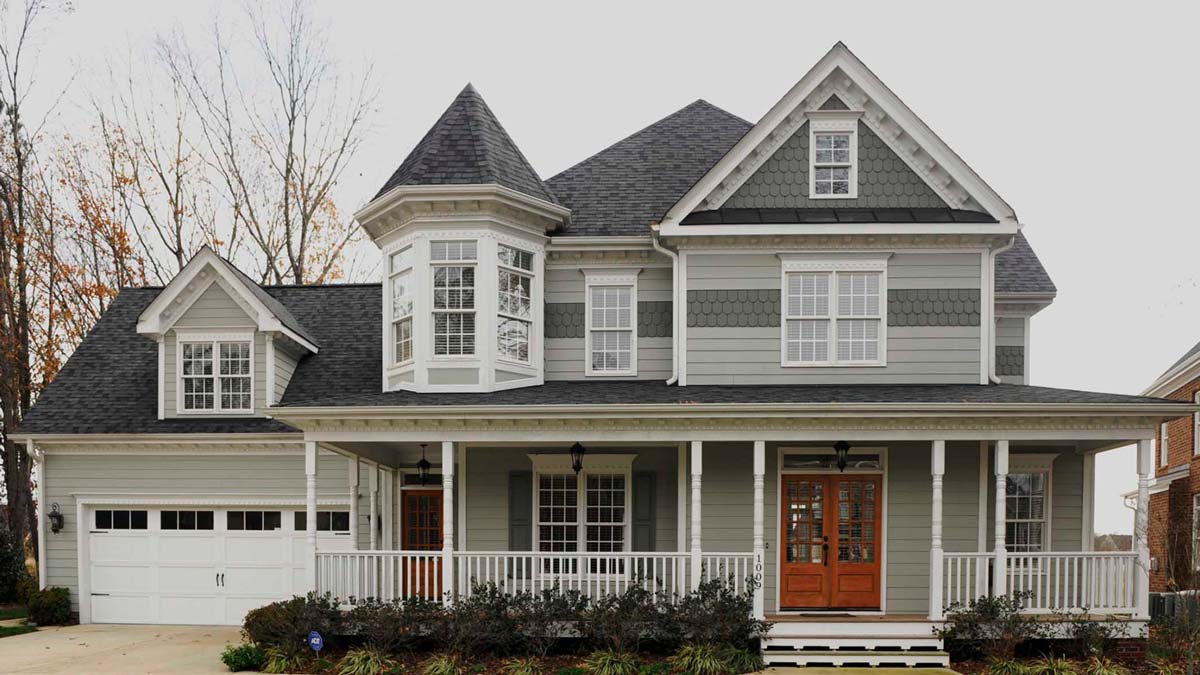
New Project or Subsale Property?
In real estate, the terms new project and subsale property refer to two different types of property transactions.
A new project refers to a property that is newly built or under construction. These properties are typically sold by the developer directly to buyers.
A subsale property refers to a second-hand or resale property. These properties were previously owned and lived in by someone else. A subsale property is a transaction where the current owner sells the property to a new buyer, and this usually happens after the property has already been completed and inhabited.
New Project (Under Construction Property)
Pros:
- Modern Amenities & Designs:
New projects often come with modern designs, the latest technology, and energy-efficient features (e.g., smart home systems, better insulation, and contemporary layouts). - Warranty & Guarantee:
New properties typically come with warranties that cover defects for a period, offering peace of mind. - Less Maintenance:
Since the property is brand new, you won’t need to worry about major repairs or renovations for a few years. - Developer Perks:
Developers sometimes offer perks like free furniture, parking spaces, or free on legal fee and stamp duty, which can make a new project more attractive financially. - Potential for Capital Appreciation:
With the right location, a new property in an upcoming area may see significant appreciation as the area develops. - Customization:
In some cases, you may have a say in finishes and layouts if you’re purchasing off-plan or early in the development stage.
Cons:
- Higher Price:
New properties typically come with a premium price tag, reflecting the “newness” and modern features. - Limited Location Options:
You may have fewer choices when it comes to location, especially if the development is in a newly built area, which may not yet be well-established. - Construction Delays:
If you’re buying a property off-plan, there may be delays in construction or unexpected changes to the project, impacting your move-in date. - Developer’s Track Record:
New developments are only as good as the developer, and if the developer is inexperienced or unreliable, there could be issues with quality, deadlines, or permits. - Risk of Overpayment:
Sometimes, properties in new projects are priced higher than comparable older properties in the same area, and they might not appreciate as quickly as expected.
Subsale (Second Hand Property)
Pros:
- Established Neighborhood:
A subsale property is often located in an established neighborhood with developed infrastructure (e.g., schools, shopping centers, and transportation links), giving you a clearer sense of the area’s long-term prospects. - Lower Price:
Generally, subsale properties are less expensive than new builds, making them a more affordable option, especially in terms of size and location. - Immediate Availability:
Subsale properties are ready for immediate occupancy, so you don’t have to wait for construction to finish, which is ideal if you need a home quickly. - Potential for Renovation:
With a subsale property, you have the opportunity to renovate or remodel the home to suit your tastes, giving it a personalized touch. - Proven Property History:
You can assess the history of the property, including the quality of previous owners’ upkeep, potential issues with the property, or whether it’s likely to hold value.
Cons:
- Hidden Maintenance Issues:
Older properties may have hidden issues such as plumbing problems, structural defects, or aging electrical systems that might require expensive repairs. - Less Modern Features:
Subsale homes may not have the latest amenities, designs, or energy-saving features compared to new projects. You might need to invest in upgrades or renovations. - Higher Maintenance Costs:
Maintenance costs can be higher as older homes may require more repairs (e.g., roof repairs, repainting, etc.). - Complicated Legal Issues:
Sometimes subsale properties have complicated legal matters (e.g., unclear title, unpaid maintenance fees, or unresolved disputes with previous owners). A thorough due diligence process is essential. - Limited Financing Options:
Some subsale properties may be harder to finance, especially if they are older or in a less desirable condition. Market Value is lower than the Agreed Price. - Limited Flexibility:
When purchasing a second hand property, there’s typically no opportunity to customize or change the layout unless you do major renovations.